Popcorn Pilgrimages: 10 Small-Town Movie Theaters That Are Worth the Drive
Photo: Lenny K Photography from Sydney, Australia, CC BY 2.0, via Wikimedia Commons
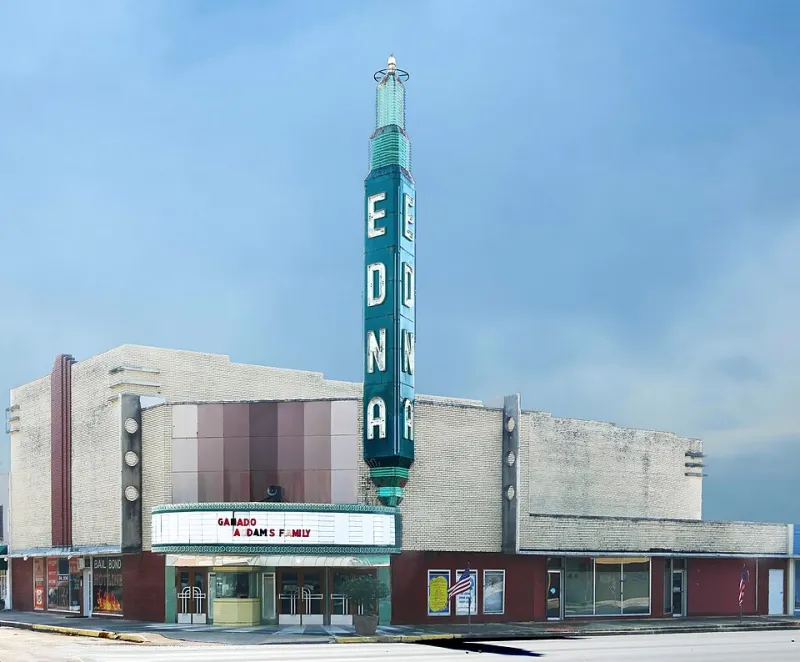
There's a specific magic to watching a movie in a theater that's older than the movies' own sound era. The plaster columns. The hand-painted ceiling. A marquee with real bulbs. Small-town American movie houses are some of the country's best living architecture — and unlike most historic buildings, you can still buy popcorn in them.
Here are ten that justify a detour, a tank of gas, or an entire weekend.
1. The Paramount Theatre — Austin, Texas
Opened in 1915 as a vaudeville house, the Paramount is one of the few remaining theaters that hosted both Houdini and the premiere era of silent film. Restored with its original atmospheric ceiling, it now runs a year-round slate of classic film series — Casablanca under a chandelier hits different. Pair it with Austin's food scene and you've got a full weekend.
2. The Byrd Theatre — Richmond, Virginia
The Byrd has been running continuously since 1928 and still charges some of the cheapest tickets in America — about $4 for second-run films. The interior is genuinely opulent: crystal chandeliers, a Wurlitzer organ that rises from the pit before weekend shows, and a balcony that's survived the Depression, desegregation, and the rise of the megaplex.
3. The Orpheum Theatre — Madison, Wisconsin
A 1927 movie palace that survived demolition attempts and a stint as a concert venue, the Orpheum was lovingly restored and returned to actual movies. Its ornate lobby and massive screen make it the best place in the state to catch a blockbuster with some dignity.
4. Skyline Drive-In — Shelbyville, Indiana
Drive-ins are endangered, which makes the survivors precious. The Skyline has been beaming movies into car windows since the 1950s, complete with speaker posts for the purists and a playground under the screen for the kids. Bring lawn chairs. Bring snacks. Bring a little patience with the stars — literally, the sky is part of the show.
5. The Hollywood Theatre — Portland, Oregon
Technically in a city, but this 1926 Byzantine-style theater operates with the soul of a neighborhood house. It runs repertory programming — 35mm prints, cult midnight movies, anime festivals — that most big-market theaters wouldn't touch. The exterior is one of the most photographed in the Pacific Northwest.
6. The Coleman Theatre — Miami, Oklahoma
Yes, Miami, Oklahoma. Built by a mining baron in 1929, the Coleman is a Spanish Colonial Revival jewel box with a Mighty Wurlitzer and original hand-painted details. It hosts classic films, live vaudeville-style shows, and the occasional ghost story from the volunteer staff. Route 66 passes right by it — this is roadside Americana at its purest.
7. The Colonial Theatre — Bethlehem, New Hampshire
Open since 1915 in a town of roughly 2,000 people, the Colonial is a summer tradition in the White Mountains. It screens a mix of new releases and classics in a gorgeously preserved single-screen auditorium. Catch a show after a day of hiking and you've basically written a New England tourism ad.
8. The Plaza Theatre — Atlanta, Georgia
Atlanta's oldest continuously operating cinema, the Plaza has been screening films since 1939 and survived multiple near-death experiences thanks to fierce community support. It's now the anchor of a small theater district and home to some of the most devoted repertory audiences in the Southeast.
9. The Lincoln Theatre — Marion, Virginia
A stunning 1929 Art Deco theater in the Blue Ridge Highlands, the Lincoln was rescued by volunteers in the 1990s and restored to its full swivel-bracketed, star-lit glory. It doubles as a live music venue celebrating the region's old-time and bluegrass heritage — catch a film, catch a concert, or catch both in one weekend.
10. The Grand Lake Theatre — Oakland, California
Opened in 1926, the Grand Lake still flies an American flag over its rotunda and features a working organ, a ceiling that lights up like a night sky, and a tradition of political marquee messages that have made it famous far beyond the Bay Area. Cheap tickets, real history, zero irony.
How to Plan the Trip
A few practical notes for the aspiring theater tourist. First, check showtimes before you drive — many of these houses run limited schedules, especially midweek, and a few (the Byrd, the drive-ins) operate seasonally or on second-run timing. Second, buy the popcorn. These places survive on concessions more than ticket sales, and the popcorn is often popped in the same machines that have been running for decades. Third, talk to the staff. Small-town theater volunteers are usually walking archives, and the story they tell in the lobby is often better than the one on the screen.
There's no better way to understand American film culture than to watch a movie where it's been watched for a hundred years — with the organ rising, the marquee glowing, and the whole town, apparently, in the next seat over.