When the Lights Went Down at Midnight: How Streaming Quietly Killed a Cinema Ritual
There's a version of film fandom that smells like cigarette smoke and spilled beer, where the audience is as much a part of the show as whatever's playing on screen. Where people show up in costume, shout memorized lines back at the projection, and walk out into 2 a.m. parking lots feeling like they've just been part of something. That version of fandom didn't die loudly. It just... faded. And streaming had a lot to do with it.
The midnight movie as a cultural institution is older than most people realize. It traces back to the early 1970s, when independent and art-house theaters started booking unconventional, often R-rated or outright bizarre films for late-night weekend slots — the kinds of movies that couldn't fill a Friday matinee but could absolutely pack a house at midnight if the right crowd found out about them. El Topo, Pink Flamingos, Eraserhead — these weren't hits. They were events. And the audiences who showed up weren't passive viewers. They were participants.
The Ritual Was the Point
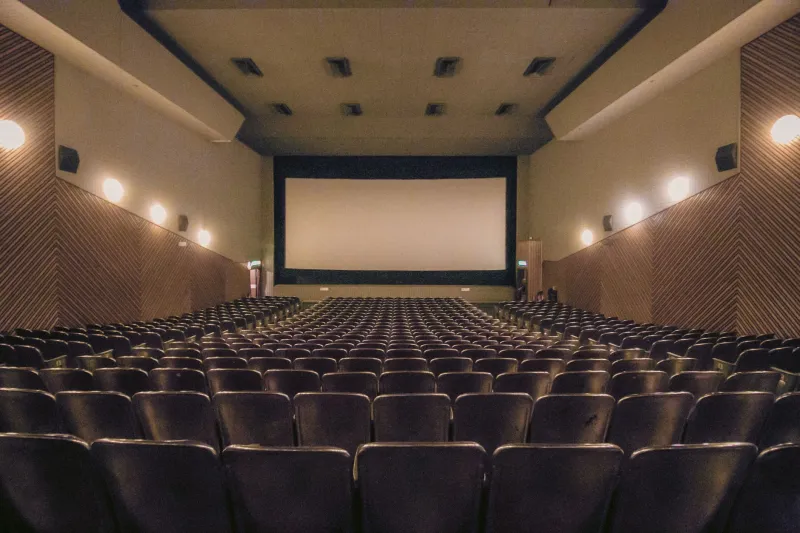
What made the midnight movie phenomenon genuinely unique wasn't the films themselves, as wild as many of them were. It was the context. Seeing The Rocky Horror Picture Show at midnight on a Saturday in, say, a 400-seat theater in Chicago or Austin meant something different from watching it alone on a laptop. The callbacks, the props, the collective insanity — none of that works without the crowd. The movie was almost secondary to the experience of being in that room.
Same goes for something like Repo Man or Blue Velvet or Pink Floyd: The Wall. Films that are genuinely strange, that resist easy interpretation, tend to reveal themselves differently when you're exhausted and slightly unhinged at 12:30 in the morning, surrounded by people who chose to be there specifically because they wanted something weird. That shared willingness — that communal leap of faith — is what turned certain films into legends.
Cult status, historically, wasn't assigned by critics or algorithms. It was earned through repeated, ritualistic theatrical attendance. People went back. They brought friends. They memorized dialogue. The theater was the ecosystem in which cult movies grew.
What Streaming Actually Took Away
Here's the thing about on-demand access: it's genuinely great for a lot of reasons. You can watch Hausu or Liquid Sky or Re-Animator on a Tuesday afternoon if you want to. Access has never been better. But access and experience are not the same thing.
When a film goes straight to a streaming platform — or when theatrical windows collapse to the point where something is available at home almost immediately — it skips the incubation period that midnight movies depended on. That slow build of word-of-mouth, the sense that you had to seek something out, that it existed in a specific place at a specific time — that's gone. Everything is available, which paradoxically means nothing feels special.
There's also the simple matter of what watching at home does to your engagement. You can pause. You can check your phone. You can bail halfway through and finish it tomorrow. None of that is conducive to the kind of full-immersion, no-escape commitment that turns a weird movie into a formative experience. The midnight movie worked partly because you were trapped in it.
The Indie Theaters Pushing Back
Not everyone has accepted this as the new normal. Across the country, independent theaters have been quietly — and sometimes loudly — fighting to keep the midnight tradition alive. The Alamo Drafthouse, even through its bankruptcy restructuring, has built much of its identity around special screenings, cult programming, and the idea that moviegoing should be an event. The Music Box Theatre in Chicago still runs midnight shows. The Nitehawk Cinema in Brooklyn programs late-night repertory content specifically designed to recreate that experience.
These aren't nostalgia exercises, either. They're drawing younger audiences who never had a chance to experience the original midnight movie era but who are hungry for exactly what it offered — community, discovery, and the feeling that they're in on something. A packed midnight screening of Midsommar or Hereditary or a 35mm print of Suspiria isn't the same as watching it on Shudder, and the people filling those seats know it.
Some theaters have gotten creative. Secret screenings where the film isn't announced until the lights go down. Quote-along events for films like The Room or Hackers. Double features programmed with genuine thematic or tonal logic. These are theaters that understand their value isn't just projection — it's curation and context.
A Generation Missing the Scratch
There's a generation of film lovers — broadly, anyone who came of age after streaming became dominant — who have exceptional taste and remarkable access to cinema history, but who may never have that formative midnight movie moment. They know Rocky Horror. They might have watched it three times. But they've never thrown toast at a screen or shouted "slut" at Janet Weiss alongside 300 other people who've done it enough times to have it memorized.
That's not a small thing to miss. Those experiences don't just build fandom — they build community. They're how people find their people. Film culture, at its best, has always been social. The critic who saw Eraserhead at midnight in 1978 and couldn't stop talking about it didn't just become a fan of David Lynch. They became part of a conversation that's still going.
Streaming has made film more accessible and, in many ways, more democratic. But it's also smoothed out the edges — the weird hours, the communal weirdness, the sense of occasion. The midnight movie thrived in the scratchy, imperfect margins of theatrical exhibition. And those margins have gotten a lot narrower.
The Case for Getting Back in the Room
None of this is an argument against streaming. That ship has sailed, and honestly good riddance to the era when you had to hope a video store had a copy of something. But it is an argument for seeking out the theatrical experiences that streaming can't replicate — and for supporting the independent theaters doing the hard work of keeping those experiences alive.
If there's a midnight screening happening near you, go. If your local indie theater is running a cult classic on 35mm at 11:59 p.m. on a Saturday, drag someone with you. Not because it's better than watching at home — but because it's different in ways that matter. Film culture is richer when it lives in actual rooms, with actual people, at unreasonable hours.
The midnight movie isn't dead. But it needs an audience willing to stay up for it.